

To summarize, dehydration caused by ethanol’s diuretic effect is a crucial factor in understanding why tap beer may give you a headache. However, it is essential to consider other contributing factors as well to gain a comprehensive understanding of this phenomenon. Caffeine can provide relief for some headache sufferers due to its vasoconstrictive properties, which reduce blood flow to the brain. However, it’s essential to balance caffeine intake with hydration since coffee can further dehydrate you if consumed excessively. It’s essential to note that everyone’s body reacts differently to alcohol. While one person may find relief from their headache after sipping on a cocktail, another might find that even a small amount exacerbates their symptoms.
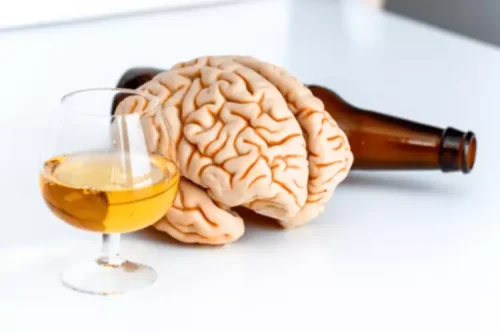
What are the main causes of headaches from drinking?
Plenty of people experience unpleasant headaches as a result of alcohol consumption. Even a single drink can be enough to trigger head pain, nausea, and dizziness in some unlucky folks. Additionally, certain by-products of alcohol, such as congeners, can contribute to headaches by impeding the breakdown of ethanol and increasing inflammation. They can manifest as a dull ache or a sharp pain and may occur during or after drinking.
Triggers A Peptide Release
- In fact, it’s estimated that up to 90 percent of people who drink heavily have some form of this condition.
- While migraine is a common disease that affects 39 million Americans, no two migraine experiences are the same.
- They can manifest as a dull ache or a sharp pain and may occur during or after drinking.
- Beer headaches are often the result of a hangover, which can be caused by drinking too much too quickly.
After one heroin addiction pint, my nose would get congested, and I’d get a throbbing headache. In other words, instead of expanding the blood vessels, higher and higher levels of alcohol constrict blood vessels, causing high blood pressure. It’s one of the reasons why excessive alcohol usage can lead to heart issues. This section looks at some of the general causes of alcohol-induced headaches. In later sections of this article, we’ll look at why certain specific alcohols are more prone to cause post-drinking headaches. It can’t prevent a migraine, but it can help stop one after it starts.
- If you dread the morning migraine almost as much as the embarrassing drunk dial, read on to uncover why it happens and – more importantly – what you can do prevent it.
- This makes you susceptible to diseases because your body loses the ability to fight off infections.
- Individual sensitivities play a significant role in experiencing headaches after drinking beer.
- Headaches, including migraine, are treatable with the right combination of medication and lifestyle adjustments.
What Are The Types Of Alcohol Induced Headache?
Dehydration occurs because alcohol inhibits the effect of a hormone called antidiuretic hormone (ADH). Normally, ADH stimulates the kidneys to reabsorb water from urine to prevent dehydration. I’ve spent the last seven years researching and understanding alcoholism, addiction, and how people get sober. Additionally, I examine the way mental and physical health as well as our relationships with others impact the reasons people drink and their role in maintaining sobriety long-term. Eating can also help to slow the entry of alcohol into your bloodstream, which prevents the effects of alcohol from hitting you all at once. You’ll still need to rehydrate, but at least you’ll feel the effects of the alcohol at a more manageable pace.

It’s well known that drinking too much alcohol can cause a variety of symptoms the next day. You can drink water in between alcohol intakes to prevent inflammation. It might depend on how much alcohol you intake, but any type of alcohol-related drink could trigger inflammation. Light sensitivity is a common symptom of migraine (as is sensitivity to sounds or smells), but not everyone who has the disease will experience it. Identify other symptoms of migraine and find answers to Frequently Asked Questions to help you start the conversation about migraine with your primary care provider. Yawning and fatigue are typical symptoms of prodrome, the first phase of a migraine attack.
- I’ve spent the last seven years researching and understanding alcoholism, addiction, and how people get sober.
- Other criteria for a person to have a migraine diagnosis include nausea or vomiting and sensitivity to light or noise.

However, studies have shown that alcohol is a common trigger for migraines, with one study reporting that more than a third of migraine patients identified alcohol as a trigger. Red wine was the most common trigger among alcoholic beverages, followed by white wine, champagne, and beer. The most common type of headache caused by alcohol is the delayed headache, which is seen to occur around 12 hours after drinking alcohol. While similar symptoms to the immediate headache are experienced, this type of headache when drinking beer headache is usually a more dull, throbbing pain.
Understanding the basics of your symptoms is the first step towards treating yourself and returning things to normal. Yes, it is possible that beer can trigger migraines in some individuals. While there isn’t a definitive causal relationship between beer and migraines, some people’s migraines have been linked to their consumption of beer and alcohol.
For some people, it could be the amount of alcohol consumed that triggers an attack. For example, wine may be a trigger for some but whiskey may not have an influence. However, if you still experience a migraine attack after drinking any kind of alcohol, the best solution is to avoid alcohol altogether. Histamines and sulfites present in certain beers can also play a role. Histamines are compounds found in fermented foods and beverages that some people are sensitive to.
- If you’re sensitive, beer might cause headaches, flushing, or sinus symptoms.
- Opt for lighter beer options, like lagers or pilsners, to reduce the risk of headaches caused by congeners.
- Now, we’re not saying that you should avoid NA beers altogether (they can be super delicious), but if you are prone to headaches, it’s important to drink in moderation and stay hydrated.
- Applying a cold compress to your forehead can also provide relief from discomfort caused by inflammation.
- Generally speaking, five to eight drinks are enough for an average man, while women can consume somewhere around three to five drinks.
- But many patients, if they have an attack, it turns into some sort of blame.
This pacing helps prevent overwhelming your system and reduces dehydration risks. These include hydrating, eating carbohydrates, and taking certain painkillers. A person should avoid acetaminophen as it can worsen the effects of alcohol on the liver. A person should take ibuprofen or aspirin with caution as they could irritate the lining of the stomach. Alcohol makes people need to urinate because it suppresses the release of a hormone called vasopressin.
About Author
